Tips to Help Clients Be More Open to Receiving During a Session
Sometimes, clients come in excited for a Reiki or energy session but seem stiff, guarded, or unsure. It’s not that they don’t want healing—it’s often that their minds, bodies, or emotions are just not fully open to receiving. As a practitioner, you can help create an environment where they feel safe, relaxed, and ready to receive energy. Here are some tips and tricks I’ve found really effective.
1. Set the Tone Before the Session
How you start a session matters as much as the energy work itself. Take a few minutes to check in with your client. Ask how they’re feeling, if there’s anything on their mind, or if there’s a specific area they want to focus on. A little conversation helps them settle and signals that this is their time.
2. Create a Comfortable Space
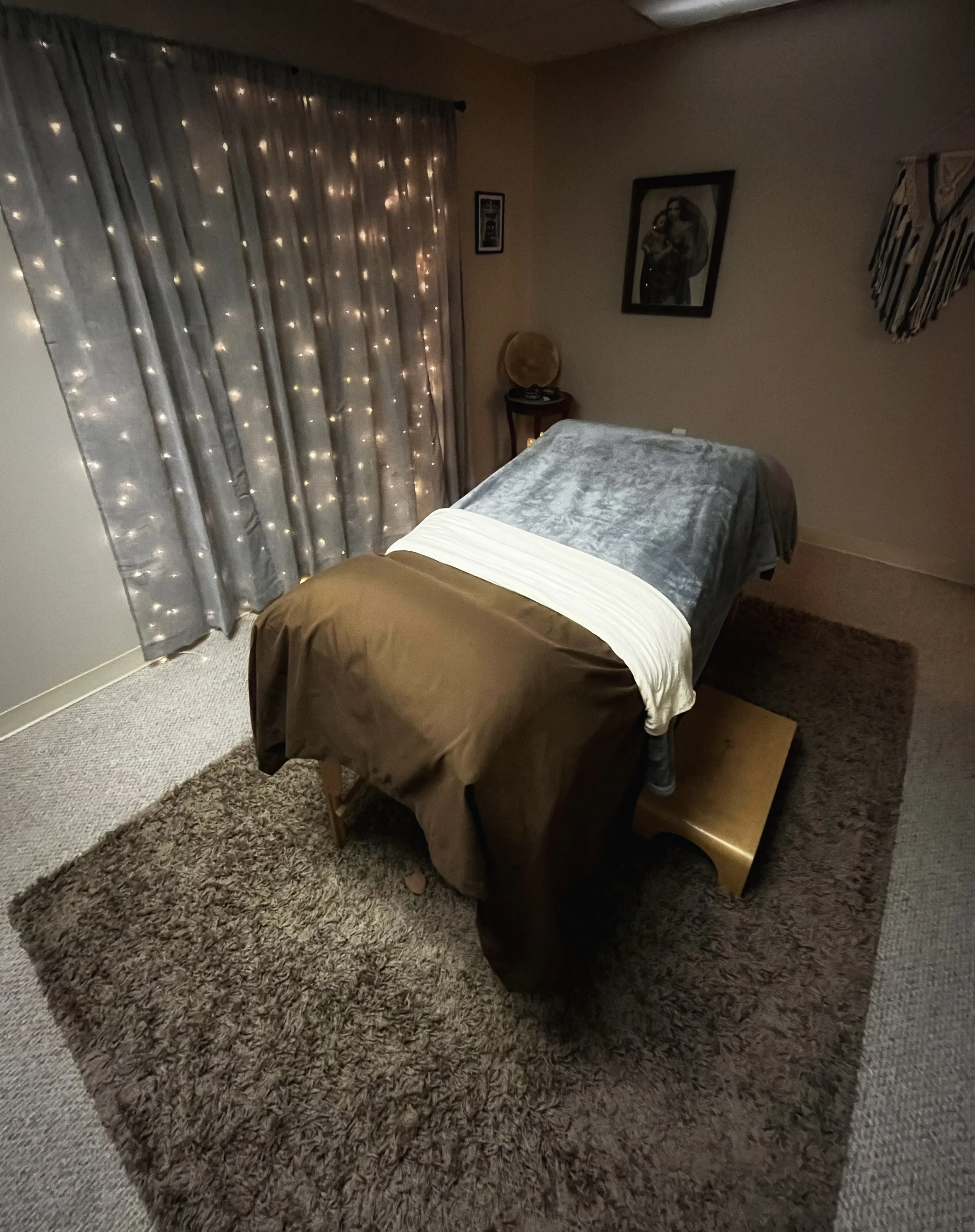
The physical environment plays a huge role. Make sure the room is quiet, the temperature is comfortable, and the table or chair is supportive. Soft lighting, blankets, and even a subtle scent from essential oils or incense can help clients relax. A calm, intentional space encourages them to let go of distractions and tension.
3. Invite Them to Breathe
Breath is a simple but powerful tool. Encourage your client to take slow, deep breaths at the start of the session. It helps calm the nervous system, slows racing thoughts, and signals to their body that it’s okay to relax and receive. You can also guide them through a few gentle breaths throughout the session if they seem tense.
4. Explain What to Expect
Sometimes clients hold back because they aren’t sure what will happen. Let them know that there’s no “right” way to experience energy work. They might feel warmth, tingling, emotions, or nothing at all—and that’s completely normal. Reassurance goes a long way in helping them surrender to the process.
5. Use Gentle Touch or Energy Cues
If you’re doing hands-on work, even light touch can help clients feel safe and grounded. Sometimes holding a hand, placing a hand on the shoulder, or a gentle sweep of energy is enough to encourage relaxation and openness. Your presence and intention communicate safety more than anything else.
6. Encourage Mindset Shifts
A quick suggestion before starting can help clients receive more fully. You might invite them to “let go of expectations” or “allow yourself to be supported.” A small mental shift can help them move from resistance to receptivity.
7. Offer Optional Props
A blanket, pillow, or bolsters can make a big difference, especially for those who feel physically tense or anxious. When the body is supported and comfortable, the mind is freer to open to energy.
8. Check In During the Session
Sometimes, clients start tense but begin to relax mid-session. A gentle, quiet check-in or adjusting their comfort can help maintain that openness without disrupting the flow of energy.
9. Remind Them After the Session
A short discussion afterward helps clients integrate the experience. Ask how they feel, acknowledge anything they noticed, and remind them that there’s no “wrong” way to receive energy. It reinforces their trust and helps them feel more open next time.
The Bottom Line
Helping clients be open to receiving isn’t about forcing anything. It’s about creating safety, comfort, and clarity so they can let go and let energy flow. Your presence, intention, and gentle guidance are the most powerful tools you have.
Even small adjustments, like guiding their breath or offering a blanket, can make a big difference in how fully a client experiences a session. When they relax, you can do your best work—and they leave feeling seen, supported, and nurtured.