Teate: The Part of Reiki Most People Skip
Most of the time when people learn Reiki, they’re taught a system. There are hand positions, steps to follow, a beginning, a middle, and an end. You’re shown what to do first, what comes next, and how long to stay in each place. And honestly, that’s not a bad thing. It gives you something solid to hold onto when everything is new, and you’re still figuring out what you’re even feeling. But there’s a piece of this that often gets overlooked, and it’s actually the part that everything else is built on.
It’s called teate. (Tay-ah-tay)
Teate is a Japanese word that simply means “placing the hands.” That’s it. No layers, no hidden meaning. Just hands on the body. If you’ve ever bumped your arm or had a headache and instinctively put your hand there without thinking about it, you’ve already done it. That’s the root of Reiki. Before the structure, before the symbols, before trying to figure out if you’re doing it right, there’s just that simple, human response. Your hands, your presence, and your willingness to stay there.
A lot of Reiki students are taught to follow a set routine, moving from the head to the shoulders, down through the torso, and into the legs, staying in each position for a certain amount of time before moving on. What can happen, without anyone meaning for it to, is that the session slowly becomes about completing the routine instead of actually paying attention to what’s happening. The focus shifts into your head. Am I doing this right? How long have I been here? What’s next? And somewhere in all of that, the awareness of what’s actually happening under your hands starts to fade into the background.
Teate brings you back to that awareness. It’s simple, but it’s not passive. You’re not just placing your hands and zoning out. You’re noticing. You might feel warmth, coolness, pulsing, or subtle shifts in the body. You might notice your breath changing or your body softening. You’re paying attention to when your hands want to stay and when they naturally want to move. There’s no script to follow, which means you can’t hide behind one either. It asks you to trust what you’re feeling instead of constantly checking if you’re doing it correctly, and that’s the part most people aren’t really taught.
This is actually how I teach, even if I haven’t always used the word teate. I encourage my students to move out of the mindset of “getting through the positions” and into actually being with their hands. I want them to slow down enough to notice what’s happening instead of rushing to the next step. Sometimes that means staying in one place longer than expected. Sometimes it means their hands move quickly. Sometimes it means nothing obvious is happening, and they stay anyway. That’s the practice. It’s not about performing Reiki, it’s about being present with it.
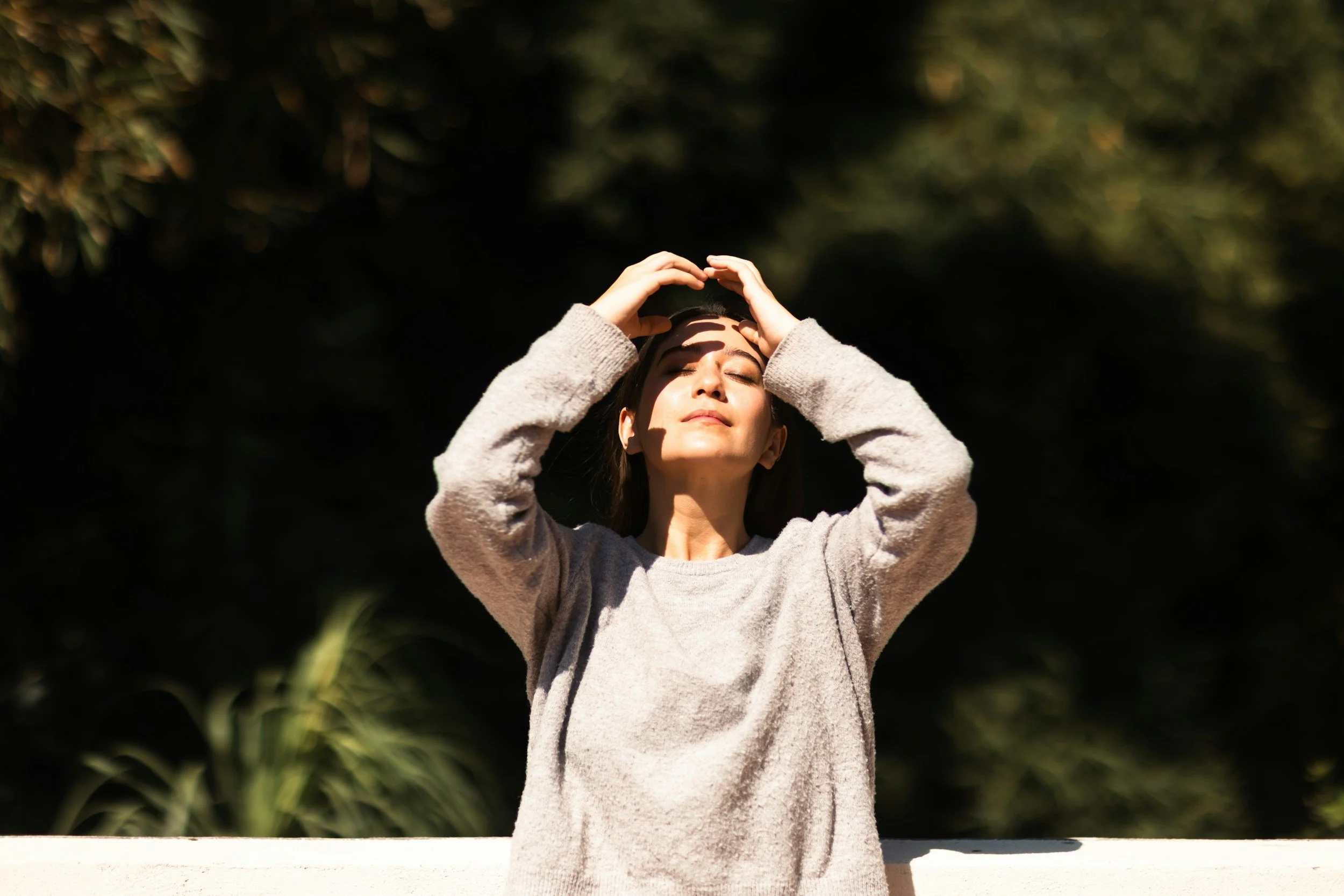
If you want to try this, you don’t need to set up a full session or create a whole ritual around it. You can sit down, place your hand somewhere on your body, and leave it there. You don’t need to send energy or try to fix anything. Just notice what you feel, without forcing it. The biggest shift usually happens when you stay longer than you think you should, because that’s the moment most people would normally move on. Even if nothing seems to be happening, that’s still part of the experience. You’re building awareness, whether it feels like it or not.
One of the things people don’t always expect is that teate can feel almost too simple. It can bring up that feeling that you should be doing more or that you’re missing something. That’s usually what pulls people back into structure and technique, because it feels more active and more certain. But if you stick with the simplicity, something starts to shift over time. Your hands begin to trust themselves again. Your sessions become quieter, but often much deeper. And you stop questioning every little thing you’re doing.
Reiki doesn’t start with a system. It starts with your hands. And most people already know how to do that. They’ve just never been told that it counts.
This practice of presence is exactly what we focus on in my 1:1 Reiki Immersion. If you’re ready to move past the routine and into the awareness, you can learn more about my mentoring here.